
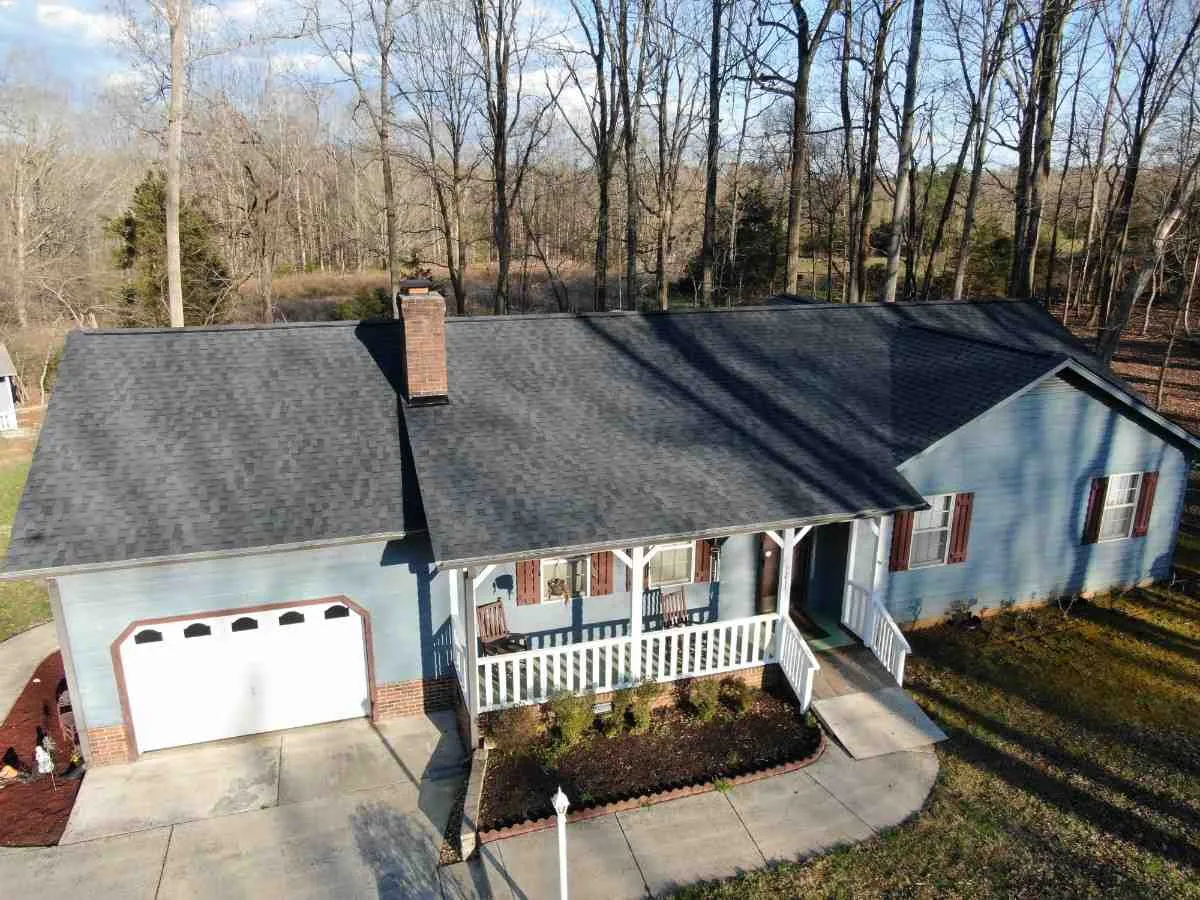
How to Know When It’s Time to Replace Your Roof
Your roof is one of the most important components of your home, protecting everything underneath it from weather, moisture, and structural damage. But like any part of your home, it won’t last forever. Knowing when it’s time to replace your roof can save you from costly repairs, interior damage, and unexpected emergencies.
Explore our portfolio of completed roofing and exterior projects that showcase our dedication to craftsmanship, durability, and attention to detail. From residential roof replacements to commercial roofing systems, every project reflects our commitment to quality materials, expert installation, and customer satisfaction. See how we bring lasting protection and curb appeal to every property we serve.
Understanding Your Roof’s Age and History
One of the biggest factors in determining whether you need a replacement is your roof’s age. Even high-quality materials eventually deteriorate due to constant exposure to weather and temperature changes.
If you recently purchased your home and don’t know the roof’s age, consider:
- Reviewing home inspection documents
- Asking the previous homeowner
- Checking building permits
- Scheduling a professional inspection
Older roofs are more vulnerable to leaks, wind damage, and material breakdown — even if visible damage appears minor.
Schedule a Professional Roof Inspection
Scheduling a professional roof inspection is one of the most important steps in determining the true condition of your roofing system. While some warning signs may be visible from the ground, many issues—such as hidden leaks, weakened decking, damaged flashing, or ventilation problems—can only be identified through a thorough, hands-on evaluation. A trained roofing professional has the experience and knowledge to spot early signs of deterioration before they turn into costly repairs or structural damage.
During an inspection, a contractor will assess the condition of shingles, flashing, gutters, underlayment, and attic ventilation to ensure every component is functioning properly. They can also identify storm-related damage that may qualify for insurance claims. Regular inspections not only extend the life of your roof but also provide peace of mind, knowing your home is properly protected. By taking a proactive approach, you can make informed decisions about repairs or replacement and avoid unexpected roofing emergencies.
Structural Concerns and Roof Deck Damage
If the underlying roof decking becomes soft or weakened, a simple shingle replacement may not be enough. Structural damage often requires a full tear-off and replacement to ensure the integrity of the entire roofing system. The roof deck, which serves as the foundation beneath your shingles or roofing material, provides critical support for the entire system. When moisture penetrates through damaged shingles or flashing, it can soak into the decking and cause it to weaken, warp, or rot over time. This deterioration may not always be visible from the exterior, but it can compromise the stability and safety of your roof.
Signs of structural problems include:
- Spongy feeling when walking on the roof
- Uneven roof lines
- Visible sagging
Common signs of roof deck damage include sagging areas along the roofline, a spongy feeling when walking on the roof, interior water stains, or visible mold growth in the attic. In severe cases, prolonged moisture exposure can lead to structural weakening of rafters and support beams. If left unaddressed, these issues can escalate into costly repairs that extend beyond the roof itself.
Because the roof deck forms the structural backbone of your roofing system, damage at this level often requires a full tear-off and replacement rather than simple patchwork repairs. A professional inspection can determine the extent of the damage and ensure that any compromised decking is properly replaced, restoring the strength and integrity of your home’s roofing structure.
Your Roof No Longer Matches Your Home’s Needs
As your home evolves, your roof should continue to support both its functionality and appearance. Over time, renovations, additions, or energy-efficiency upgrades may highlight the limitations of an older roofing system. If you’ve updated your siding, windows, or exterior design, an aging roof may no longer complement your home’s improved look or performance standards. Beyond aesthetics, older roofing materials may not provide the insulation, ventilation, or durability that modern systems offer.
- Improved ventilation
- Better insulation performance
- Enhanced wind and impact resistanc
- Updated color and style options
Today’s roofing options are designed with advanced technology that enhances energy efficiency, weather resistance, and long-term performance. If your current roof struggles to keep up with changing climate conditions or rising energy costs, it may be time to consider a replacement that better aligns with your home’s needs. Upgrading your roof not only improves protection and efficiency but also ensures your entire exterior works together cohesively to increase value, comfort, and curb appeal.


